
Modern Techniques in Sericulture for Higher Productivity
Sericulture, also known as silk farming, is a highly profitable agricultural practice in India. With the advancement of technology and scientific methods, modern sericulture techniques are helping farmers achieve higher productivity, better silk quality, and increased income.
In this article, we will explore the latest sericulture techniques that can significantly improve silk production and make your farming more efficient.
What are Modern Sericulture Techniques?
Modern sericulture refers to the use of advanced farming practices, improved silkworm breeds, and scientific management techniques to enhance silk production. Unlike traditional methods, it focuses on efficiency, disease control, and sustainability.
1. Modern Sericulture Techniques in Mulberry Cultivation
Mulberry leaves are the primary food source for silkworms. Their quality directly affects silk yield.
Best Practices:
- Choose high-yield mulberry varieties suitable for your region
- Use drip irrigation systems to conserve water
- Apply organic manure and bio-fertilizers
- Follow proper spacing and pruning methods
Healthy mulberry plants result in better cocoon quality and higher silk output.
2. Controlled Environment in Modern Sericulture Techniques
Environmental conditions play a crucial role in silkworm growth.
Ideal Conditions:
- Temperature: 24°C to 28°C
- Humidity: 70% to 85%
- Good ventilation and airflow
Modern Solutions:
- Use humidifiers and heaters
- Maintain insulated rearing houses
- Monitor conditions using digital tools
This reduces silkworm mortality and increases productivity.
3. High-Quality Silkworm Breeds (Hybrid Varieties)
Using improved silkworm breeds is one of the most effective modern techniques.
Benefits:
- Higher disease resistance
- Faster growth
- Better silk quality and yield
Always purchase Disease-Free Layings (DFLs) from certified sources.
4. Scientific Disease Management
Diseases can cause major losses in sericulture if not controlled properly.
Preventive Measures:
- Regularly disinfect rearing rooms
- Use lime powder and approved disinfectants
- Maintain proper hygiene
- Avoid overcrowding
Prevention is always better than cure in silk farming.
5. Mechanization and Automation in Sericulture
Modern tools help reduce labor and improve efficiency.
Useful Equipment:
- Leaf chopping machines
- Automatic feeding systems
- Mounting equipment for cocoon formation
- Cocoon harvesting tools
Mechanization saves time and increases overall productivity
6. Integrated Nutrient and Pest Management
Balanced farming improves long-term productivity.
Key Practices:
- Combine organic and chemical fertilizers
- Use eco-friendly bio-pesticides
- Regular soil and plant health monitoring
This ensures sustainable and eco-friendly sericulture.
7. Scientific Feeding Techniques
Proper feeding is essential for silkworm growth.
Tips:
- Feed fresh, clean mulberry leaves
- Follow stage-wise feeding schedules
- Maintain feeding consistency
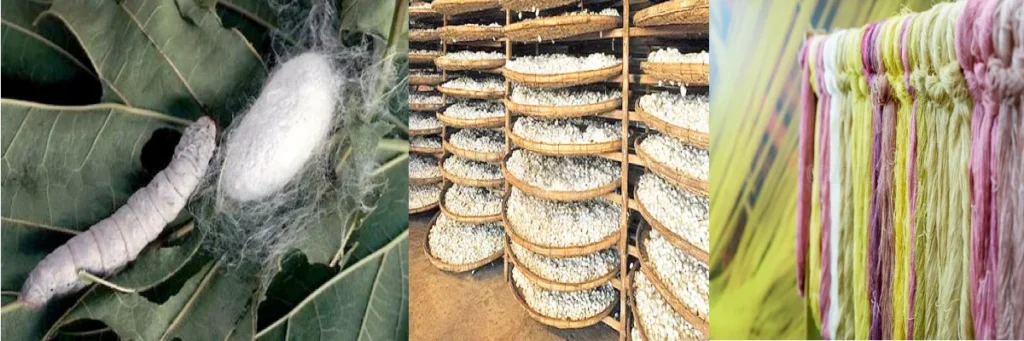
Proper nutrition leads to uniform and high-quality cocoons
8. Use of Digital Tools and Farmer Training
Technology is transforming modern sericulture.
Examples:
- Mobile apps for weather updates
- Online training programs
- Government scheme updates
Staying informed helps farmers adopt better practices.
Benefits of Modern Sericulture Techniques
- Increased silk production
- Improved cocoon quality
- Reduced silkworm mortality
- Lower labor costs
- Higher profitability
Conclusion
Modern techniques in sericulture are revolutionizing silk farming in India. By adopting advanced methods such as improved mulberry cultivation, controlled environments, disease management, and automation, farmers can significantly increase their productivity and income.
If you want to succeed in the silk industry, adopting these modern sericulture practices is essential.