
Introduction
If you want to learn how to start sericulture business in India, this guide will help you understand the complete process from mulberry farming to silk production. Sericulture is a profitable and sustainable business opportunity.
What is Sericulture?
Sericulture is the process of rearing silkworms to produce silk. It involves mulberry cultivation, silkworm rearing, cocoon harvesting, and silk extraction. India is one of the largest producers of silk, making it a great opportunity for farmers and entrepreneurs.
Step 1: How to Start Sericulture Business in India
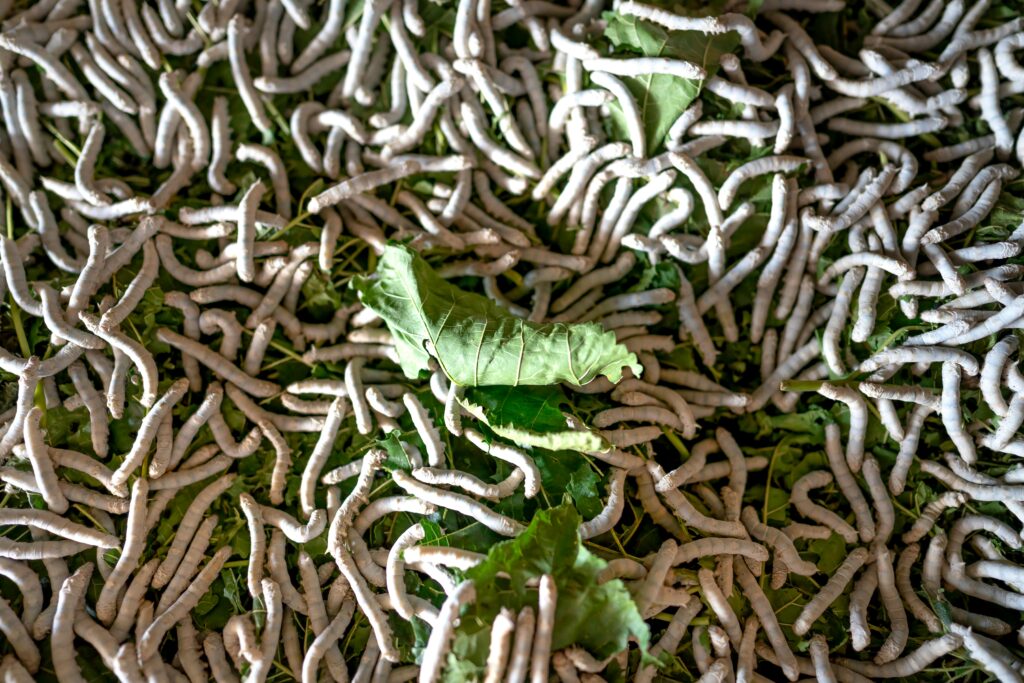
Before starting, it is important to understand the complete process of sericulture business in India:
- Mulberry cultivation
- Silkworm rearing
- Cocoon production
- Silk reeling
Having basic knowledge helps in better planning and management.
Step 2: Land and Climate Requirements to start sericulture business
Sericulture requires suitable land and climate conditions:
- Moderate temperature (20–30°C)
- Well-drained fertile soil
- Good water availability
States like Karnataka, Andhra Pradesh, Telangana, and Tamil Nadu are ideal for silk farming.
Step 3: Mulberry Farming for Sericulture Business
Mulberry farming is the foundation of sericulture. Healthy leaves are essential for silkworm growth and better silk production.
Tips:
- Use high-quality saplings
- Maintain regular irrigation
- Follow organic farming practices
Step 4: Silkworm Rearing Process in India
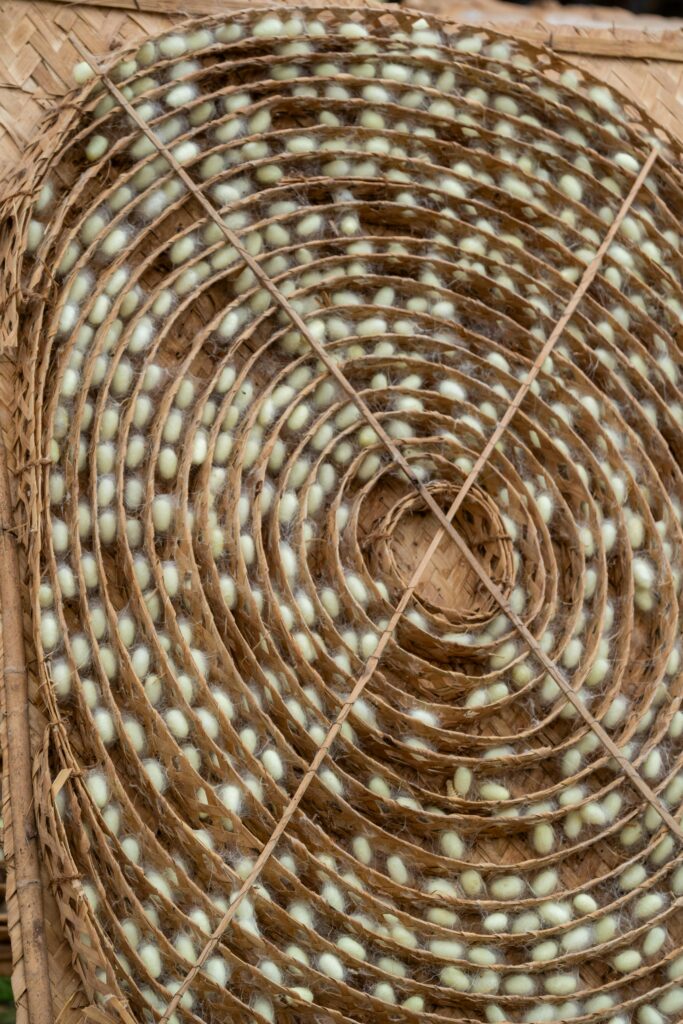
Silkworm rearing involves feeding worms with fresh mulberry leaves and maintaining proper hygiene and temperature conditions.
Important practices:
- Keep rearing rooms clean
- Maintain temperature and humidity
- Feed fresh mulberry leaves regularly
Healthy silkworms produce better quality cocoons.
Step 5: Cocoon Production in Sericulture
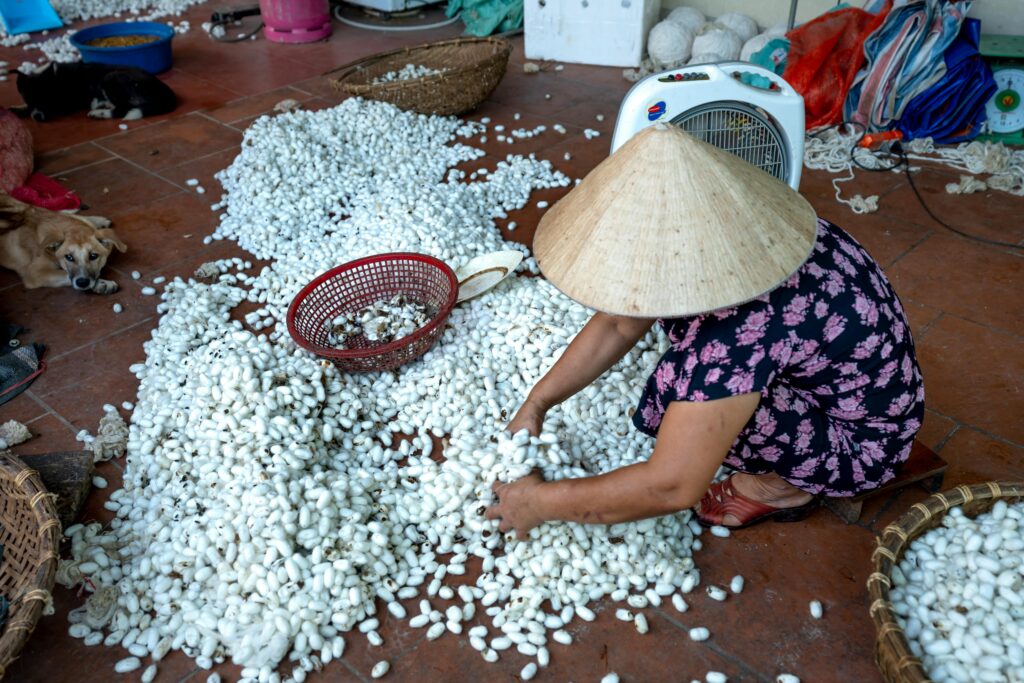
Cocoon production is the stage where silkworms spin silk around themselves. Proper care ensures high-quality cocoons.
Focus on:
- Proper handling
- Timely harvesting
- Clean storage
Step 6: Silk Reeling Process
Silk reeling is the process of extracting silk threads from cocoons. This step adds value to your product.
- Boiling cocoons
- Reeling silk fibers
- Preparing raw silk
This step adds value to your product.
Investment and Profit in Sericulture
Sericulture requires moderate investment but gives good returns.
Expenses include:
- Land preparation
- Mulberry plantation
- Silkworm rearing setup
Income sources:
- Selling cocoons
- Selling raw silk
- Bulk supply
With proper management, it becomes a profitable business.
Advantages of Sericulture Business
✔ Eco-friendly farming
✔ High market demand
✔ Generates rural employment
✔ Continuous income source
Conclusion
Starting a successful venture begins with understanding how to start sericulture business in India and applying the right techniques at every stage. From mulberry cultivation to silkworm rearing and cocoon production, each step plays a crucial role in ensuring quality silk and steady income. With proper planning, dedication, and modern practices, sericulture can become a highly profitable and sustainable business. Whether you are a beginner or an experienced farmer, investing in sericulture offers long-term growth and valuable opportunities in the silk industry.