
Mulberry Farming Tips for High Yield
Mulberry farming plays a crucial role in successful sericulture, as it provides the primary food source for silkworms. Following the right mulberry farming tips for high yield and better silk quality can significantly improve cocoon production and overall silk output. Healthy mulberry leaves lead to stronger silkworms and superior silk quality.
Importance of Mulberry in Sericulture
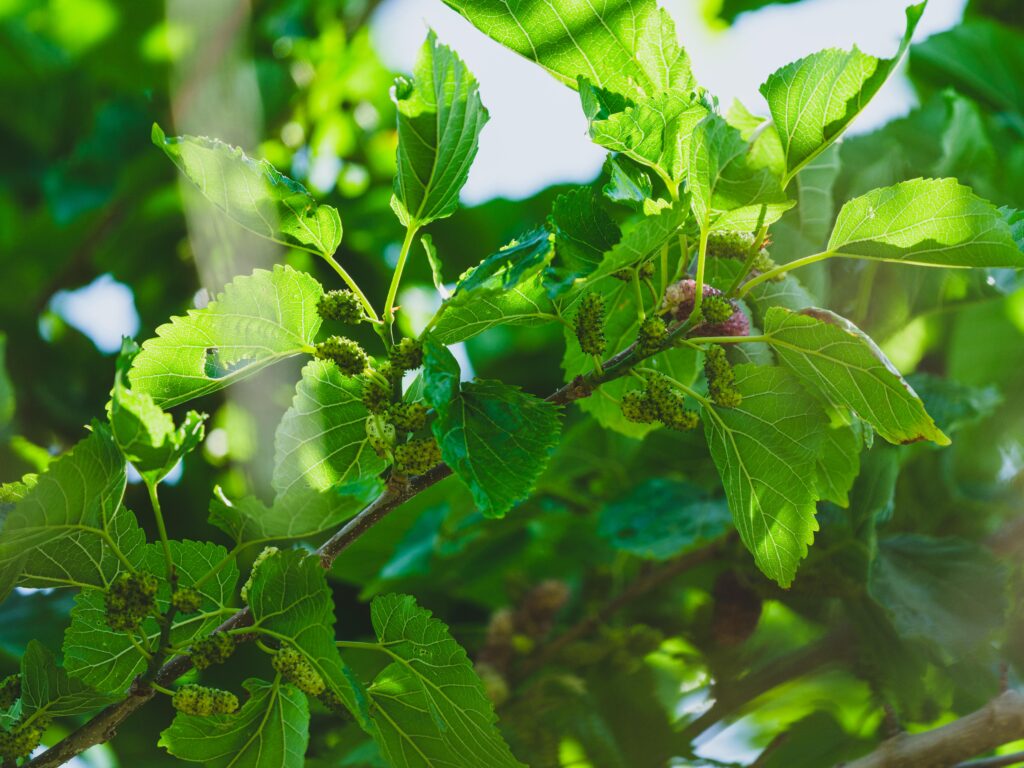
Mulberry leaves are the only food for silkworms, making their quality essential for silk production.
- Rich in nutrients
- Improves silkworm growth
- Enhances cocoon quality
Proper mulberry cultivation ensures better productivity and profitability.
Soil Preparation for Mulberry Farming
Good soil preparation is the foundation for high yield.
Best practices:
- Use well-drained fertile soil
- Maintain pH between 6.2–7.5
- Add organic manure before planting
Healthy soil leads to strong plant growth and better leaf production.
Irrigation Tips for Mulberry Plants
Water management is essential in mulberry farming.
- Regular watering for consistent growth
- Avoid waterlogging
- Use drip irrigation for efficiency
Proper irrigation improves leaf quality and yield.
Pruning and Maintenance
Pruning helps in improving leaf production.
- Regular pruning promotes new growth
- Remove dry and damaged branches
- Maintain proper plant spacing
This ensures continuous supply of fresh leaves for silkworms.
Fertilizer and Nutrient Management
Balanced nutrition is key for high yield.
- Use organic fertilizers
- Apply nitrogen-rich nutrients
- Maintain soil fertility regularly
This enhances leaf quality, directly impacting silk production.
Pest and Disease Control
Protecting mulberry plants is important.
- Monitor for pests regularly
- Use eco-friendly pest control methods
- Maintain field hygiene
Healthy plants result in better silk yield.
Harvesting Mulberry Leaves
Proper harvesting ensures maximum benefit.
- Harvest at the right maturity stage
- Avoid over-harvesting
- Store leaves properly before feeding
Good harvesting practices maintain leaf freshness and nutrition.
Improving Silk Quality Through Mulberry Farming
Following proper mulberry farming tips for high yield and better silk quality ensures:
✔ Stronger silkworms
✔ Better cocoon formation
✔ Higher silk production
✔ Improved market value
Conclusion
Applying the right mulberry farming tips for high yield and better silk quality can transform your sericulture results. With proper soil care, irrigation, pruning, and pest control, farmers can achieve higher productivity and produce premium-quality silk. Consistent efforts and good farming practices lead to long-term success in sericulture.